Femipro Official Website › Reading room › What is in Femipro?
What Is in Femipro? The Ingredients List, Line by Line
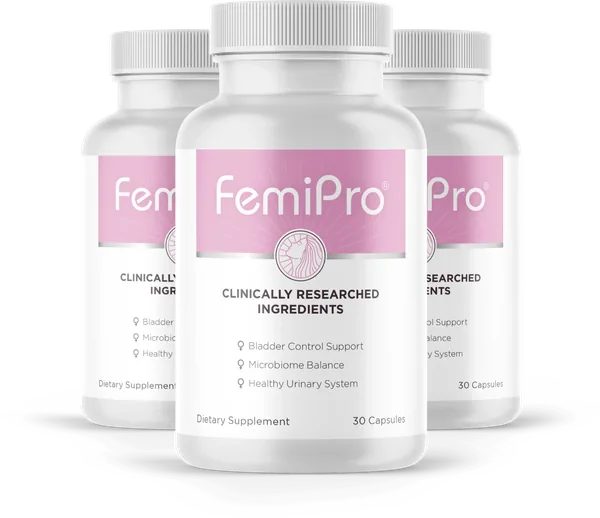
Femipro lists nine ingredients in two blends. A 350 mg UTI Herbal Blend holds mimosa pudica seed, cranberry, bearberry leaf and berberine. A 50 mg Probiotic Blend holds five lactobacillus strains. The label prints no amount for any single ingredient and no colony count for any strain. The capsule shell is gelatin.
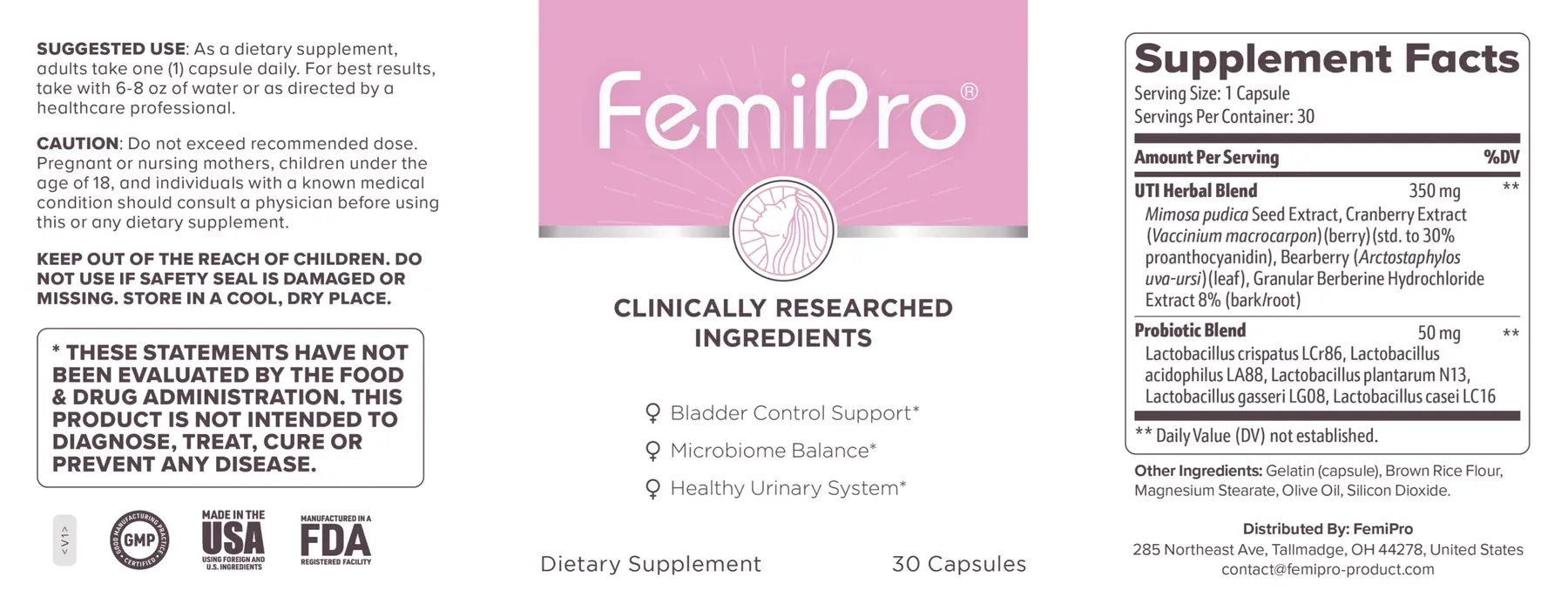
Have the panel in front of you?
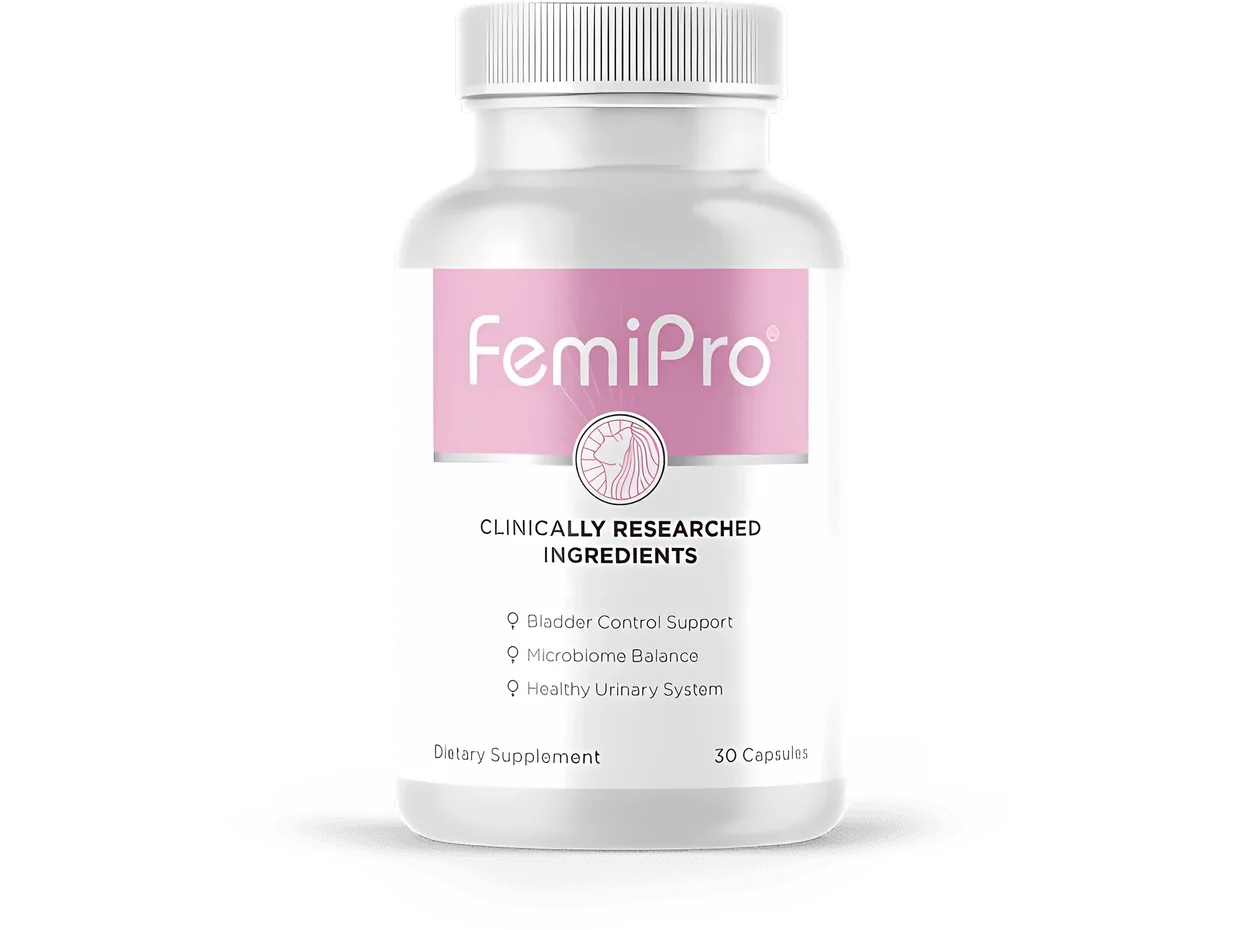
Femipro is one capsule a day, and the label above is the one on the bottle. The checkout shows the live price for each pack.
$49 to $69 a bottle · free US shipping · 60-day guarantee
See today’s price and guaranteeDisclosure: this site earns when you buy through its order links, which are marked sponsored.
- Serving: 1 capsule. 30 servings per container.
- UTI Herbal Blend: 350 mg. Daily Value not established.
- Probiotic Blend: 50 mg. Daily Value not established.
- Declared actives: 400 mg in total (350 mg plus 50 mg).
- Cranberry: standardised to 30% proanthocyanidin. Berberine extract: 8%.
- Other ingredients: Gelatin (capsule), Brown Rice Flour, Magnesium Stearate, Olive Oil, Silicon Dioxide.
Femipro is a dietary supplement. It is not FDA approved, and no dietary supplement is. It does not treat, cure or prevent any disease, and it is not a treatment for a urinary tract infection. Take medical questions to your doctor or pharmacist.
What does the Femipro Supplement Facts panel say?
Here is the panel as printed on the bottle. Serving size is 1 capsule. There are 30 servings per container. We copy the label, not the seller's shorter product sheet.
| Ingredient | Amount per serving | Daily Value |
|---|---|---|
| UTI Herbal Blend | 350 mg | Not established |
| Mimosa pudica Seed Extract | not published | - |
| Cranberry Extract (Vaccinium macrocarpon) (berry), standardised to 30% proanthocyanidin | not published | - |
| Bearberry (Arctostaphylos uva-ursi) (leaf) | not published | - |
| Granular Berberine Hydrochloride Extract 8% (bark/root) | not published | - |
| Probiotic Blend | 50 mg | Not established |
| Lactobacillus crispatus LCr86 | not published | - |
| Lactobacillus acidophilus LA88 | not published | - |
| Lactobacillus plantarum N13 | not published | - |
| Lactobacillus gasseri LG08 | not published | - |
| Lactobacillus casei LC16 | not published | - |
Does Femipro have six ingredients or nine?
You may see six on the seller's product sheet and nine on the bottle. The sheet leaves out three of the five probiotic strains: acidophilus LA88, gasseri LG08 and casei LC16. The bottle prints all nine. They are the same product, summarised two ways, and the printed panel is the authority.
It is probably housekeeping rather than concealment, because the omitted strains are ordinary. Still, a buyer who wanted to avoid a given organism would be misled by the short list. If your own bottle differs from what we print, trust the bottle and tell us at [email protected].
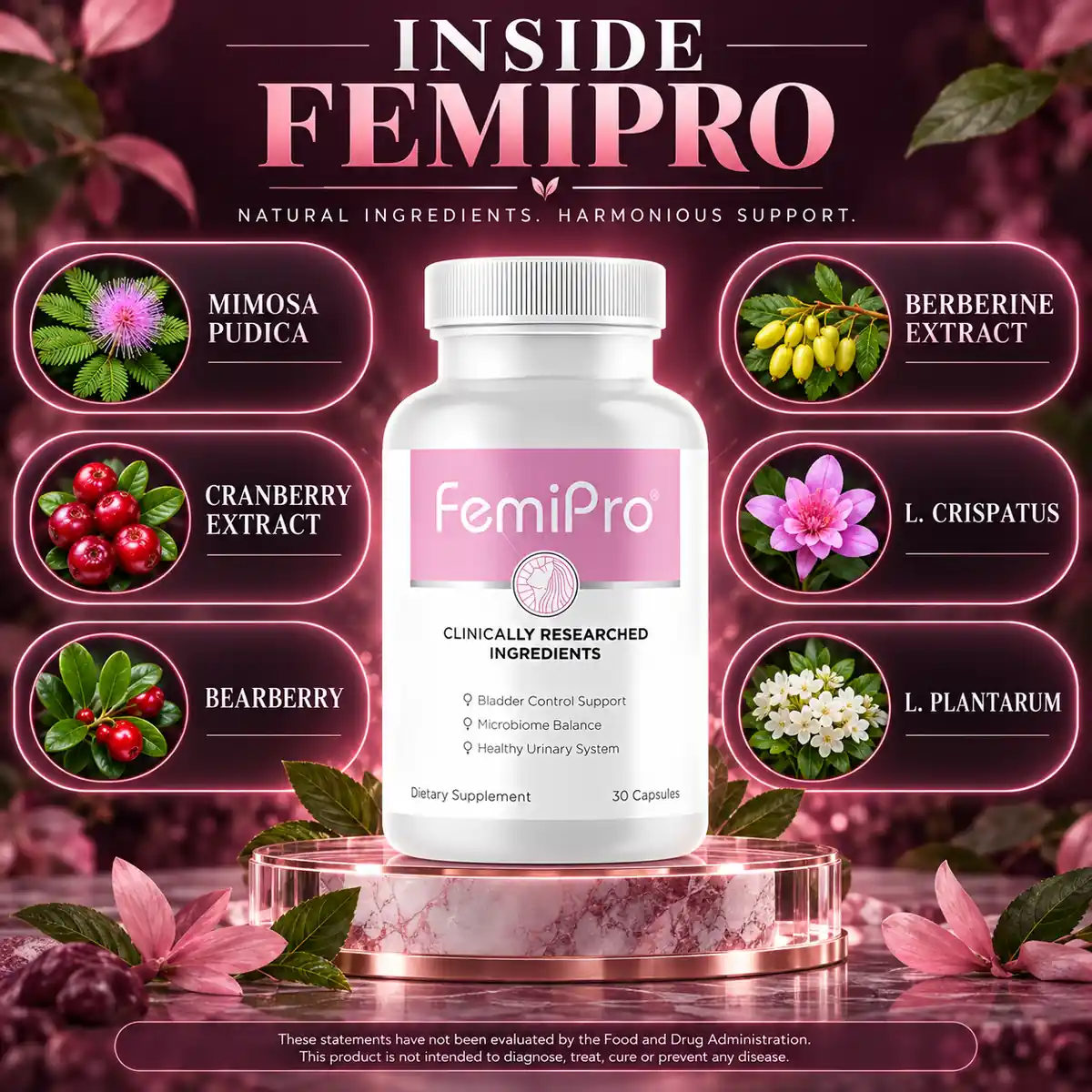
What is in the 350 mg herbal blend?
Cranberry extract is the headline. The 2023 Cochrane review found it lowers symptomatic UTI, with a risk ratio of 0.70 across 50 trials. The same review found no clear difference between low and high PAC doses.
Bearberry leaf (uva-ursi) is a traditional urinary herb. The two randomised trials in women with active infection, REGATTA and ATAFUTI, were unfavourable. In REGATTA there were more cases of pyelonephritis, 8 against 2. The caution is about chemistry too: arbutin leaves in urine as hydroquinone.
Berberine hydrochloride is a plant alkaloid, here as an 8% granular extract. It is active by mouth even though under 1% is absorbed. The best analysis of it is for blood lipids. It is also the ingredient most likely to interact with a prescription.
Mimosa pudica seed extract comes first on the panel. That often signals the biggest share, but the label does not say. No human trial exists for any urinary outcome. The record is a 1990 lab study on leaf, a study in chicks and a review of seed mucilage as a drug-formulation material.
What is in the 50 mg probiotic blend?

The five strains are L. crispatus LCr86, L. acidophilus LA88, L. plantarum N13, L. gasseri LG08 and L. casei LC16. Crispatus and gasseri are among the four species that dominate most vaginal communities in a large survey, which is the basis for the microbiome idea.
Two limits matter. First, no colony forming unit count is printed. For a probiotic, living organisms are the dose, and milligrams only weigh the powder. Second, probiotic effects are strain-specific, as NCCIH notes. Strain codes LCr86 and N13 have no findable published trial record under those names.
What does a 350 mg blend total tell you?
Very little about any single part. A blend total is a ceiling for the group. It does not say whether the four botanicals are about 87.5 mg each, or 300 mg of one and 50 mg shared by three. The label allows both.
That matters because studies are dose-specific. The cranberry dose-ranging study found anti-adhesion in urine at 72 mg of PAC a day. At 30% PAC, you would need 240 mg of extract to reach that. This would take up more than two thirds of the herbal blend and leave under 110 mg for the other three. It is possible. It is also possible the cranberry share is far smaller. The label does not say.
| Ingredient | What research used | Label |
|---|---|---|
| Cranberry PACs | 72 mg of PAC a day for 24-hour anti-adhesion | Inside a 350 mg blend, split not published |
| L. crispatus | Vaginal suppository for 10 weeks and 12 weeks | Inside a 50 mg blend, taken by mouth, split not published |
| Bearberry | Therapeutic extracts, short courses | Split not published |
| Berberine | Human studies often use 0.3 g to 1.5 g a day | 8% extract, split not published |
| Mimosa pudica seed | No human trial at any dose | Listed first, split not published |
What else is in the capsule, and what is not?
- Gelatin is the shell. It is animal collagen, so the capsule is not vegetarian or vegan. The source animal is not published.
- Brown rice flour is a bulking agent, because 400 mg of actives does not fill a capsule.
- Magnesium stearate and silicon dioxide are flow agents that stop powder sticking.
- Olive oil is unusual in this kind of capsule. The label does not explain it.
Not on the panel at all: D-mannose, any vitamin or mineral, caffeine or any stimulant, and any sweetener, colour or flavour. If you need to know whether Femipro suits a diet or an allergy, ask your doctor or pharmacist and show them the panel.
Frequently asked questions
What are the ingredients in Femipro?
Mimosa pudica seed extract, cranberry extract, bearberry leaf, berberine hydrochloride extract, and five lactobacillus strains: crispatus LCr86, acidophilus LA88, plantarum N13, gasseri LG08 and casei LC16.
How much cranberry is in Femipro?
Not published. The label says the extract is standardised to 30% proanthocyanidin but gives no amount, only a 350 mg total for the four-ingredient herbal blend.
Is there a colony forming unit count?
No. The Probiotic Blend is 50 mg in total and no CFU count is printed for any strain.
Why does the seller's sheet list six ingredients?
The sheet omits three probiotic strains: acidophilus LA88, gasseri LG08 and casei LC16. The printed panel on the bottle names all nine.
Is Femipro gluten free or dairy free?
The seals say gluten free and dairy free, but no test result is published for either, and the growth medium for the strains is not published.
What are the other ingredients?
Gelatin (capsule), Brown Rice Flour, Magnesium Stearate, Olive Oil and Silicon Dioxide.
Our view
The list is better than many because it names every ingredient and even the strain codes. That is a real point in its favour. The weakness is what comes after the names: no amounts, no counts.
Read the panel as you would read a menu without prices. You can see what is offered. You cannot tell what each item costs you in dose. If one ingredient, cranberry, is what you care about, a single-ingredient product with a printed PAC figure is easier to check.
If you want all nine in one swallow and you accept the gaps, the panel is clear enough to decide on. Show it to a pharmacist if you take any prescription.
Read the label, then the price.
If the panel suits you, the order page lists today's price and the 60-day guarantee for each pack.
$49 to $69 a bottle · free US shipping · 60-day guarantee
See today’s price and guaranteeDisclosure: this site earns when you buy through its order links, which are marked sponsored.
Last updated October 29, 2026. Written by the Femipros Editorial Desk and medically reviewed by Dr. Jennifer Roelands, MD on October 16, 2026. General information only; it does not replace a clinician who knows your history.
- Cochrane review, cranberry and UTI, 2023. Williams G, et al. Cranberries for preventing urinary tract infections. Cochrane Database of Systematic Reviews. 2023;11(11):CD001321. View source
- Howell AB, et al. Dosage effect on uropathogenic Escherichia coli anti-adhesion activity in urine following consumption of cranberry powder standardized for proanthocyanidin content. BMC Infectious Diseases. 2010;10:94. View source
- REGATTA trial, uva-ursi versus fosfomycin. Gagyor I, et al. Clinical Microbiology and Infection. 2021;27(10):1441-1447. View source
- ATAFUTI trial, uva-ursi and ibuprofen. Moore M, et al. Clinical Microbiology and Infection. 2019;25(8):973-980. View source
- Khoshandam A, et al. Pharmacokinetic of berberine, the main constituent of Berberis vulgaris L.: a comprehensive review. Phytotherapy Research. 2022;36(11):4063-4079. View source
- Cochrane review, probiotics and UTI, 2015. Schwenger EM, et al. Probiotics for preventing urinary tract infections in adults and children. Cochrane Database of Systematic Reviews. 2015;(12):CD008772. View source
- NCCIH, probiotics usefulness and safety. National Center for Complementary and Integrative Health. View source
- Ravel J, et al. Vaginal microbiome of reproductive-age women. Proceedings of the National Academy of Sciences. 2011;108(Suppl 1):4680-4687. View source
- NIH Office of Dietary Supplements, Dietary Supplements: What You Need to Know. View source

Dr. Jennifer Roelands, MD, Physician, reviews the pages on this site. We write from the printed Femipro bottle and its Supplement Facts panel, cite public research by name, and print “not published” wherever the label gives no figure. Review date for this post: October 16, 2026. Questions or corrections: [email protected].