Femipro Official Website › Reading room › Does Femipro really work?
Does Femipro Really Work? What the Research on Each Ingredient Shows
Nobody can say yet. Femipro has never been tested in a clinical trial as a finished capsule, and its amounts are not published. The research that exists covers single ingredients. Cranberry has the strongest case. The probiotic and bearberry evidence is weak or unfavourable. Mimosa pudica has no human evidence. Judge it over weeks, not days.
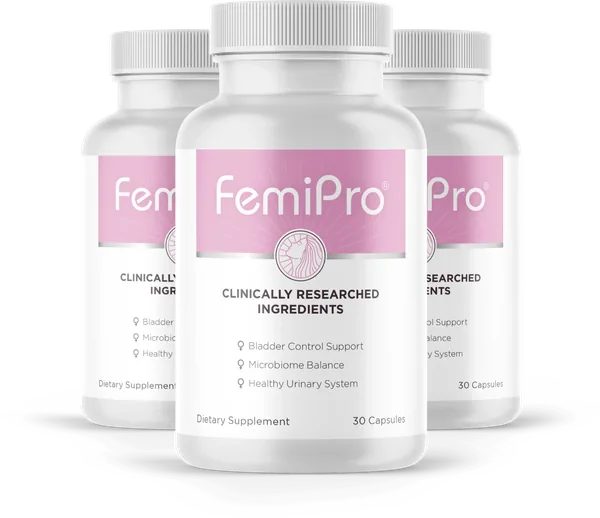
Want to test it for yourself?
If you decide to try Femipro, the 3-bottle pack covers the whole 4 to 8 week window that buyers describe. The checkout shows the live price.
$49 to $69 a bottle · free US shipping · 60-day guarantee
See today’s price and guaranteeDisclosure: this site earns when you buy through its order links, which are marked sponsored.
- No trial of Femipro: every study cited on this site covers an ingredient, not the capsule.
- Best-supported ingredient: cranberry. A 2023 Cochrane review of 50 trials found a risk ratio of 0.70 for symptomatic UTI.
- Weakest links: mimosa pudica has no human trial. Bearberry has two unfavourable trials. The probiotic Cochrane result is null.
- What buyers report: most who notice a change say it came at 4 to 8 weeks.
- Dose gap: no single amount and no CFU count is published, so nothing can be matched to a study dose.
- Safety net: a 60-day money-back guarantee from the date of purchase.
Femipro is a dietary supplement. It is not FDA approved, and no dietary supplement is. It does not treat, cure or prevent any disease, and it is not a treatment for a urinary tract infection. Take medical questions to your doctor or pharmacist.
What would it mean for Femipro to work?
Start with the question behind the question. The label does not claim to cure anything. It claims support: bladder control support, microbiome balance and a healthy urinary system. So "work" can mean two different things. It can mean the capsule does something measurable. Or it can mean you feel a difference you care about.
The first kind of proof would be a trial of the finished capsule against a placebo. That trial does not exist. Not a small one, not an unpublished one. The phrase on the bottle, Clinically Researched Ingredients, says the ingredients have been studied. It does not say the capsule has been.
The second kind of proof is personal and slow. It needs notes, not hunches. We cover how to keep those notes in our post on how long Femipro takes to work.
Does the cranberry in Femipro work?
This is the part with real support. The 2023 Cochrane review pooled 50 randomised trials with 8,857 participants. Cranberry products lowered symptomatic, culture-verified urinary tract infection, with a risk ratio of 0.70 overall. The effect was seen in women with recurrent infections.
Three caveats come with it. First, the same review found little or no benefit in elderly people in care, in pregnancy, or where the bladder does not empty fully. Second, it found no clear difference between low, medium and high proanthocyanidin doses. So a bigger percentage on a label is not proof of a better capsule. Third, NCCIH says cranberry should not replace treatment of an infection you already have.
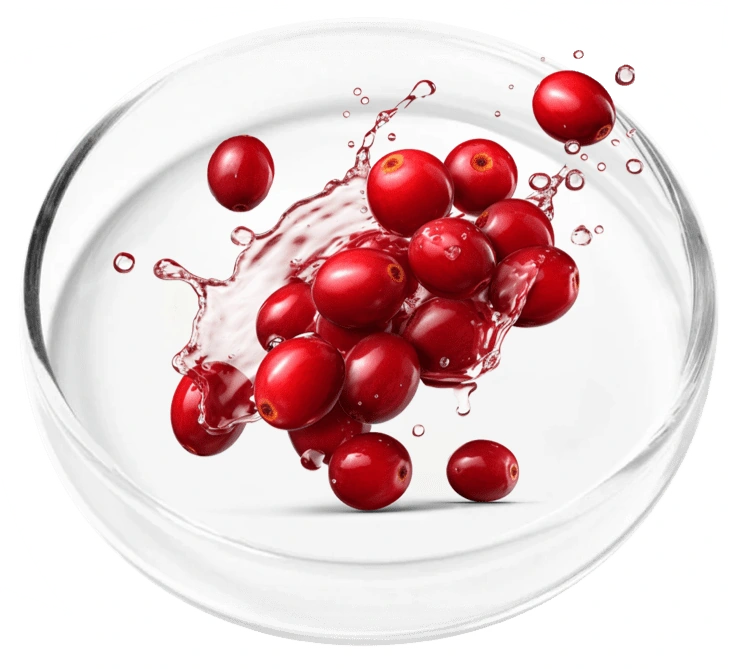
How much cranberry is in each capsule? Not published. The label says the extract is standardised to 30% proanthocyanidin, and that is all it gives. A dose-ranging study found anti-adhesion activity in urine at 72 mg of proanthocyanidin a day. At 30%, that would need 240 mg of extract. That is more than two thirds of the whole 350 mg herbal blend. It is possible. The label does not say.
Do the five probiotic strains work?
The biology is sound. Most healthy vaginal communities are dominated by lactobacillus species. But swallowing a capsule is not the same as testing one.
The 2015 Cochrane review of probiotics for preventing urinary infection pooled nine trials in 735 people. It found no significant reduction, with a risk ratio of 0.82 and an interval of 0.60 to 1.12. Both positive Lactobacillus crispatus trials used a suppository placed in the vagina, not a capsule taken by mouth. Femipro's capsule is the oral route.
There is also a labelling gap. The Probiotic Blend is 50 mg in total, and no colony forming unit count is printed for any strain. For a probiotic, the count of living organisms is the dose. Without it you cannot compare this product with any other.
What about bearberry, berberine and mimosa pudica?
| Ingredient | What the research found | What this label publishes |
|---|---|---|
| Bearberry (uva-ursi) | Two randomised trials in women with active infection were unfavourable. REGATTA found more pyelonephritis, 8 cases against 2. ATAFUTI found no benefit. | Amount not published |
| Berberine HCl 8% | Active by mouth despite under 1% absorption. The best meta-analysis is for blood lipids, not urinary outcomes. | Amount not published |
| Mimosa pudica seed | No human trial at any dose for a urinary outcome. The record is a 1990 lab study on leaf, a poultry study and materials chemistry. | Amount not published. Listed first on the panel. |
| Cranberry (30% PAC) | Strongest evidence on the panel, as above. | Amount not published |
Be fair to the bearberry trials. They tested therapeutic doses in women who already had an infection. That is not how Femipro is meant to be used. They still show that bearberry is not a herb with only upside.
What do buyers say about whether it works?
This desk publishes its own order book. The score is 4.3 out of 5, from 1,270 written reviews across 6,277 orders. 91% said they would recommend it. Most buyers who reported a change put it at 4 to 8 weeks. Almost nobody reported anything in week one.
Please read those numbers with care. They count one retail desk's orders. They are not a global rating, and the review text is summary copy, not 1,270 transcripts. The 8 published buyers carry just 2 distinct sentences between them. Four say it was fair at a month and they wanted more in week one. Four say the daily habit stuck and they reordered. Satisfaction is not the same as proof of effect.
On "Femipro before and after": no before-and-after photos, scans or measurements are published, and none should be expected. The product does not claim a visible change.
How can you test whether Femipro works for you?
- Pick one thing you care about and score it from 0 to 10 for a week before the first capsule.
- Take 1 capsule daily with a full glass of water. Do not take more.
- Score the same thing again at week 4 and week 7.
- Write down anything else that changed: drinking more, a new medicine, travel, poor sleep.
- Decide by day 50, because the guarantee runs 60 days from purchase.
If you also start pelvic floor training in the same week, you will not know which one helped. That training has the best guideline evidence for bladder leaks, and it is free. Start with the one that has the evidence.
Frequently asked questions
Does Femipro really work?
There is no trial of the finished capsule, so nobody can say. Cranberry has good evidence for preventing repeat urinary infections. The probiotic, bearberry and mimosa evidence is weak, unfavourable or absent.
Is there a clinical trial of Femipro?
No. Every study cited on this site concerns individual ingredients, usually alone, at amounts the label does not print.
Why can't the dose be checked against research?
The label prints two blend totals, 350 mg and 50 mg, and no single amount. It also prints no colony forming unit count for the probiotic strains.
How long before I would notice anything?
Buyers who report a change at this desk put it at 4 to 8 weeks. Almost nobody reports anything in week one.
Are there Femipro before and after photos?
No before-and-after photos or measurements are published. The label claims support, not a visible change.
What if it does not work for me?
The 60-day guarantee runs from the date of purchase. Call +1 (302) 200-3480 with your order ID. The buyer pays return postage.
Our view
Our honest answer is: maybe, and nobody can prove it either way. The formula is not absurd. It contains the best-supported ingredient in the category. It also contains four ingredients with weak, unfavourable or missing human evidence, and it hides every individual amount.
If your goal is fewer repeat urinary infections, cranberry is the part that matters, and a single-ingredient cranberry product with a printed proanthocyanidin figure is easier to check. If your goal is fewer leaks, the guideline first step is pelvic floor muscle training, not a capsule. If you want one daily habit, you accept the trade, and you will track your own result, Femipro is a reasonable thing to try inside a 60-day window.
Do not use it in place of seeing a doctor. If you have burning, fever, flank pain or blood in the urine, go the same day.
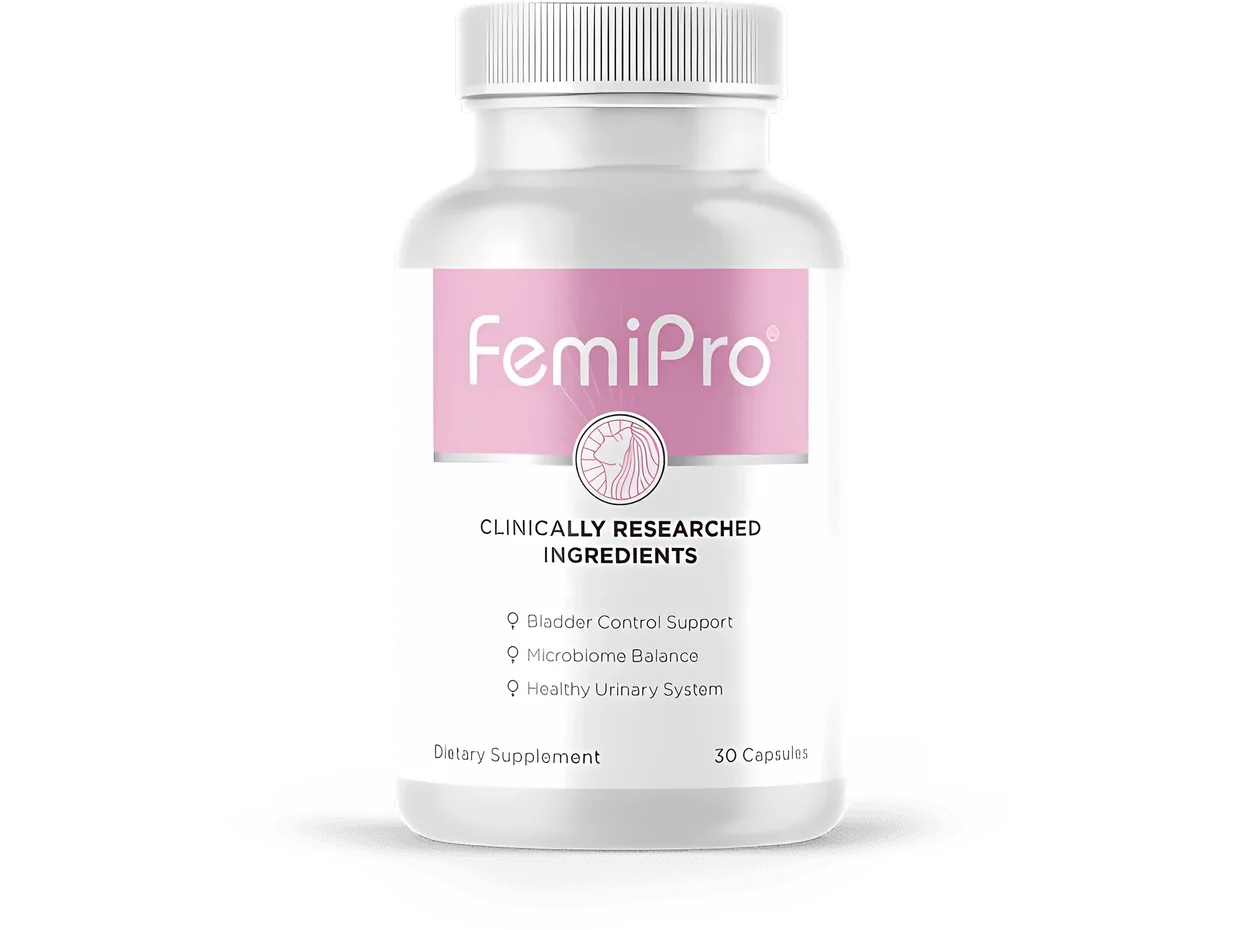
Would you like to read the checkout terms?
We can't promise a result. We can show you the price and the 60-day guarantee terms before you choose a pack.
$49 to $69 a bottle · free US shipping · 60-day guarantee
See today’s price and guaranteeDisclosure: this site earns when you buy through its order links, which are marked sponsored.
Last updated October 29, 2026. Written by the Femipros Editorial Desk and medically reviewed by Dr. Jennifer Roelands, MD on October 16, 2026. General information only; it does not replace a clinician who knows your history.
- Cochrane review, cranberry and UTI, 2023. Williams G, et al. Cranberries for preventing urinary tract infections. Cochrane Database of Systematic Reviews. 2023;11(11):CD001321. View source
- NCCIH, cranberry usefulness and safety. National Center for Complementary and Integrative Health. View source
- Howell AB, et al. Dosage effect on uropathogenic Escherichia coli anti-adhesion activity in urine following consumption of cranberry powder standardized for proanthocyanidin content. BMC Infectious Diseases. 2010;10:94. View source
- Cochrane review, probiotics and UTI, 2015. Schwenger EM, et al. Probiotics for preventing urinary tract infections in adults and children. Cochrane Database of Systematic Reviews. 2015;(12):CD008772. View source
- Stapleton AE, et al. Randomized, placebo-controlled phase 2 trial of a Lactobacillus crispatus probiotic given intravaginally for prevention of recurrent urinary tract infection. Clinical Infectious Diseases. 2011;52(10):1212-1217. View source
- REGATTA trial, uva-ursi versus fosfomycin. Gagyor I, et al. Clinical Microbiology and Infection. 2021;27(10):1441-1447. View source
- ATAFUTI trial, uva-ursi and ibuprofen. Moore M, et al. Clinical Microbiology and Infection. 2019;25(8):973-980. View source
- Khoshandam A, et al. Pharmacokinetic of berberine, the main constituent of Berberis vulgaris L.: a comprehensive review. Phytotherapy Research. 2022;36(11):4063-4079. View source
- FTC, health products compliance guidance. Federal Trade Commission. View source

Dr. Jennifer Roelands, MD, Physician, reviews the pages on this site. We write from the printed Femipro bottle and its Supplement Facts panel, cite public research by name, and print “not published” wherever the label gives no figure. Review date for this post: October 16, 2026. Questions or corrections: [email protected].